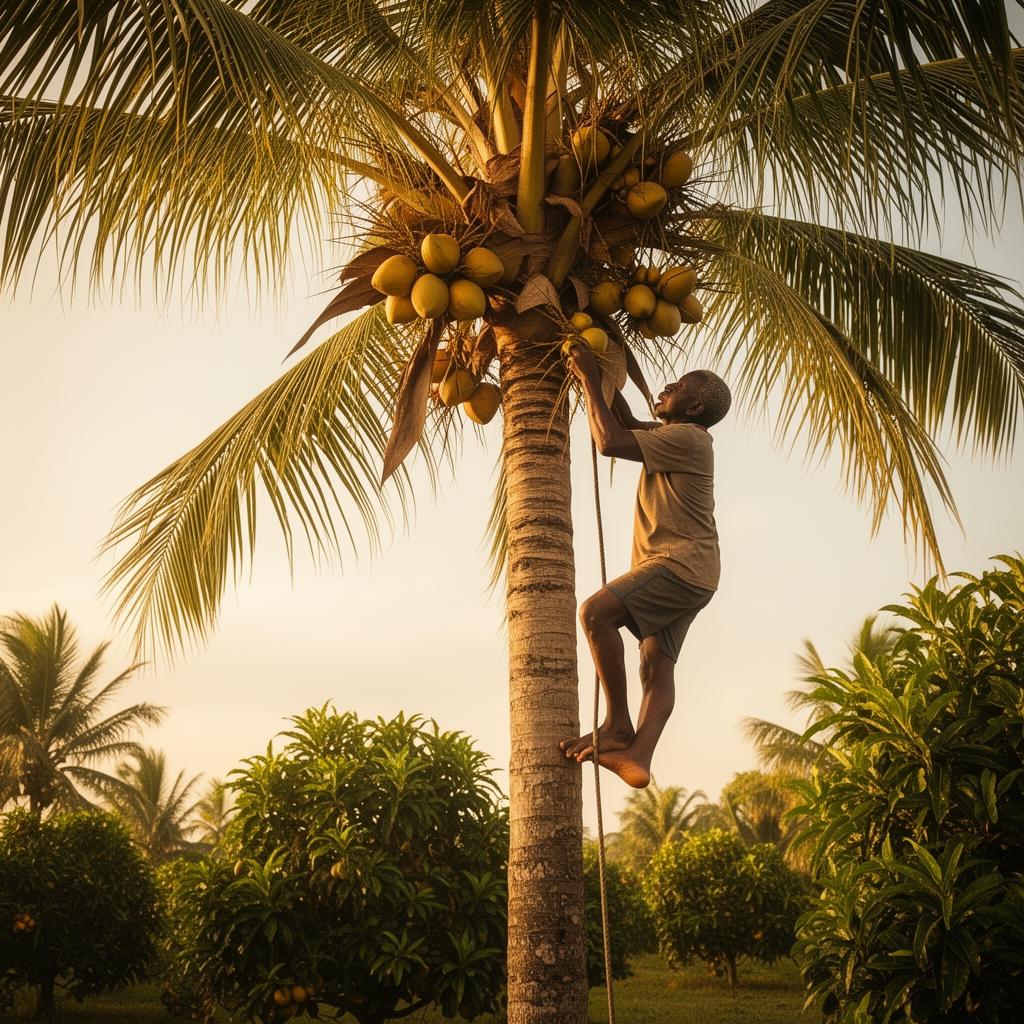

Climbed by hand at first light
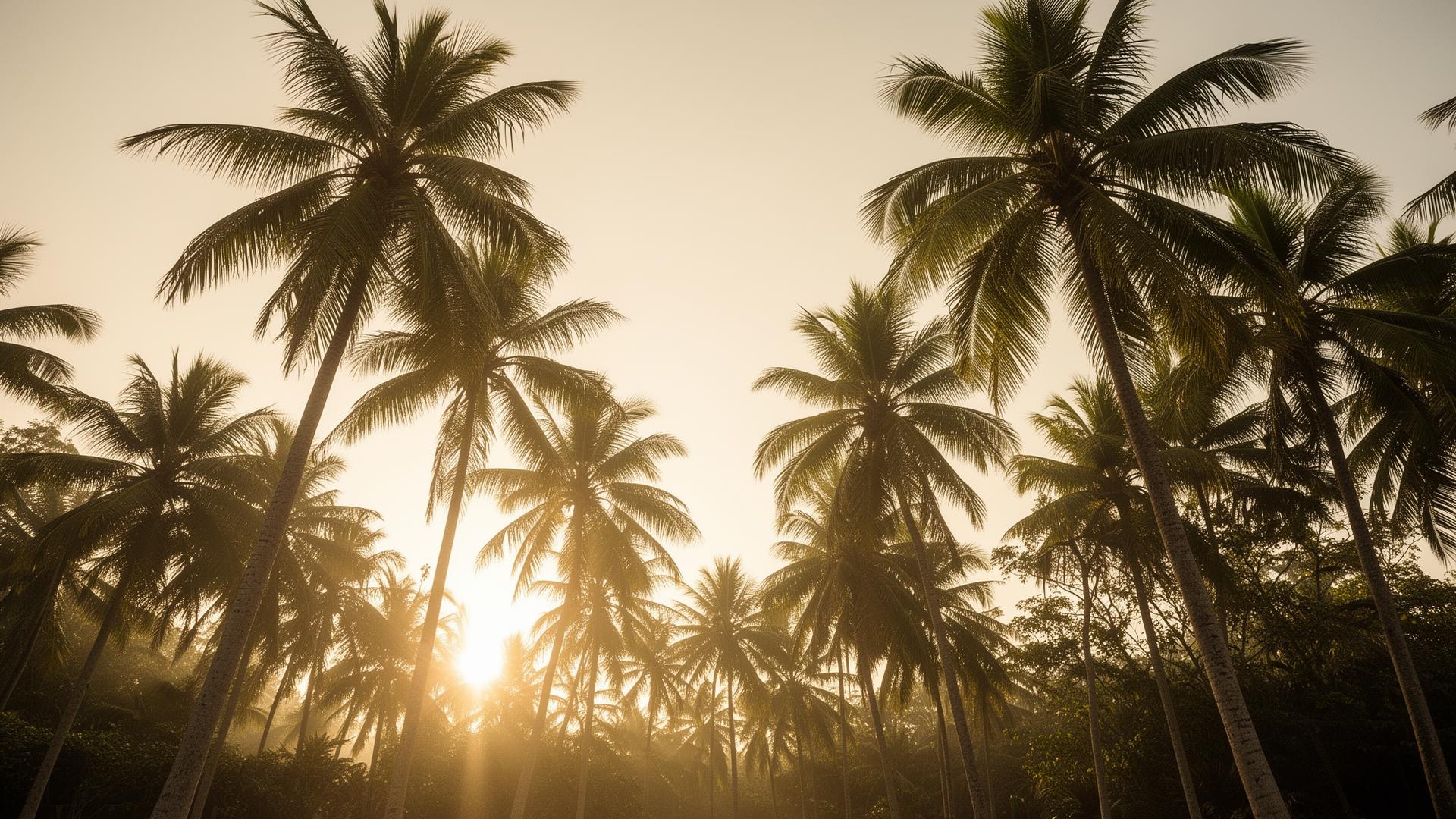
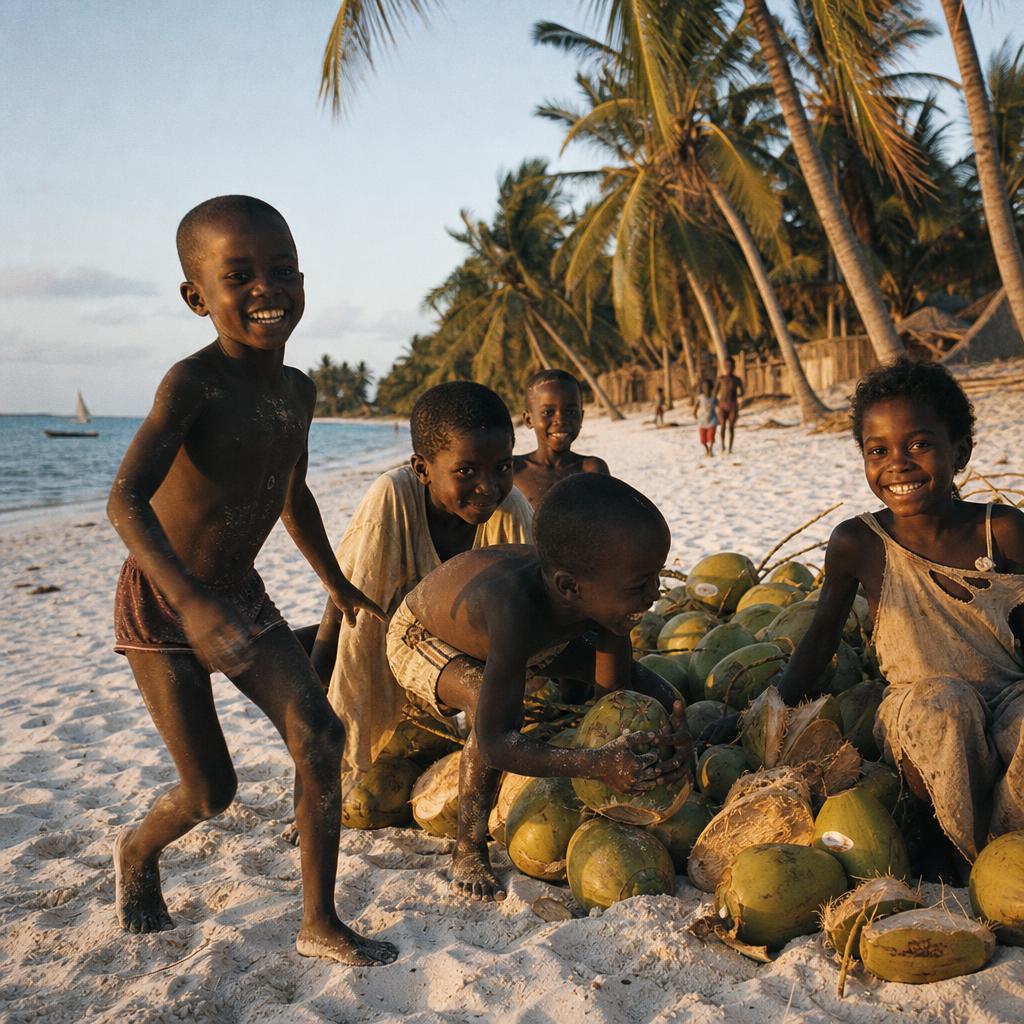
Climbers are elders and young men from the villages of Pemba. The children carry the green coconuts down the beach. Each tree is known by name and tended for life — no machinery, no rush, only rope and rhythm.
Tropicco is a small-batch coconut oil hand-pressed on the sun-soaked shores of Mozambique. One harvest. One coast. One jar at a time — kept the way the islands intended.

From the salt-bright shores of Quirimbas to the palm groves of Inhambane, Tropicco is harvested where the Indian Ocean still meets the land in whispers.

Each coconut is picked by climbers we know by name — the same families who have tended these groves for three generations.
We never push past 27°C. The oil stays alive — buttery, faintly sweet, the way the island itself tastes after rain.
Every jar is filled, sealed and tagged in our open-air atelier the day it is pressed. Nothing waits.
Limited lots, numbered by hand. When the season ends, the jar ends with it.
Nothing about this process is automated. We choose the slow way on purpose — because the slow way tastes of where it is from.

Climbers are elders and young men from the villages of Pemba. The children carry the green coconuts down the beach. Each tree is known by name and tended for life — no machinery, no rush, only rope and rhythm.

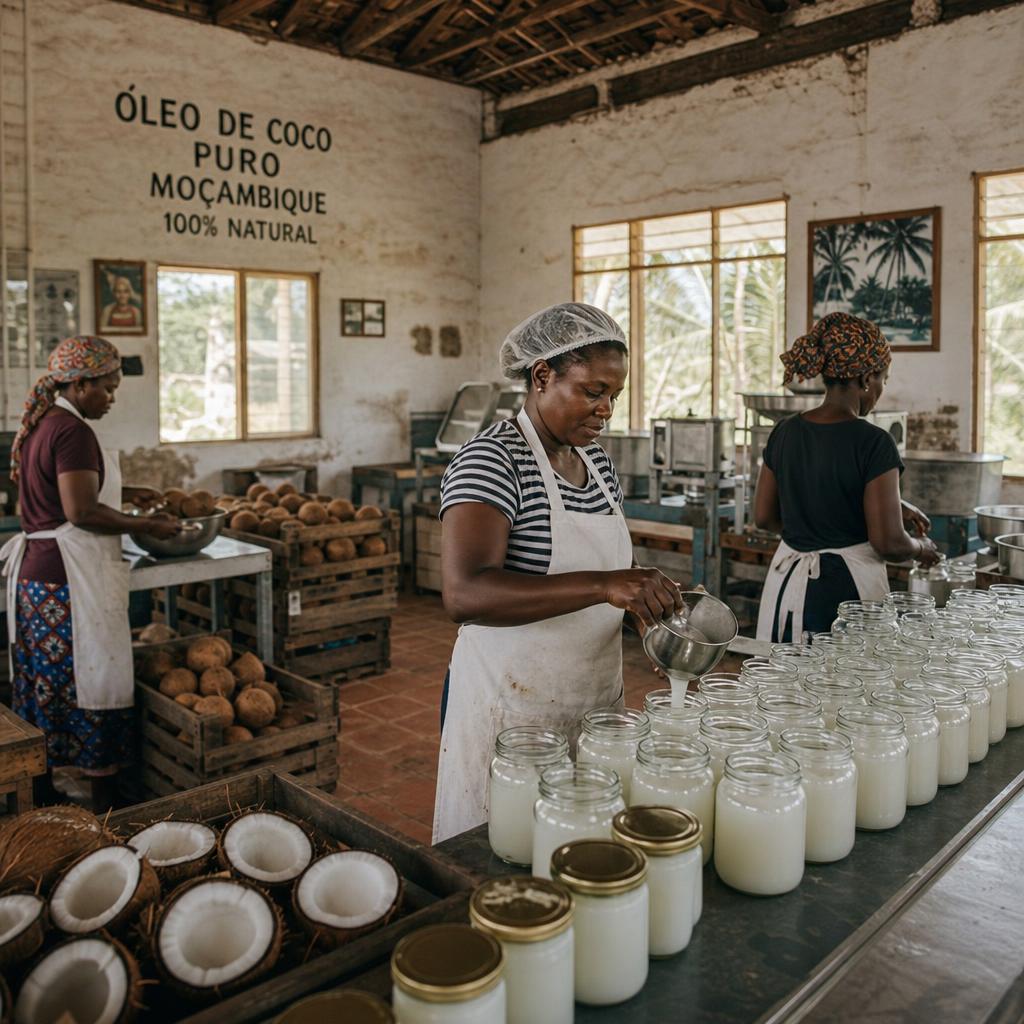
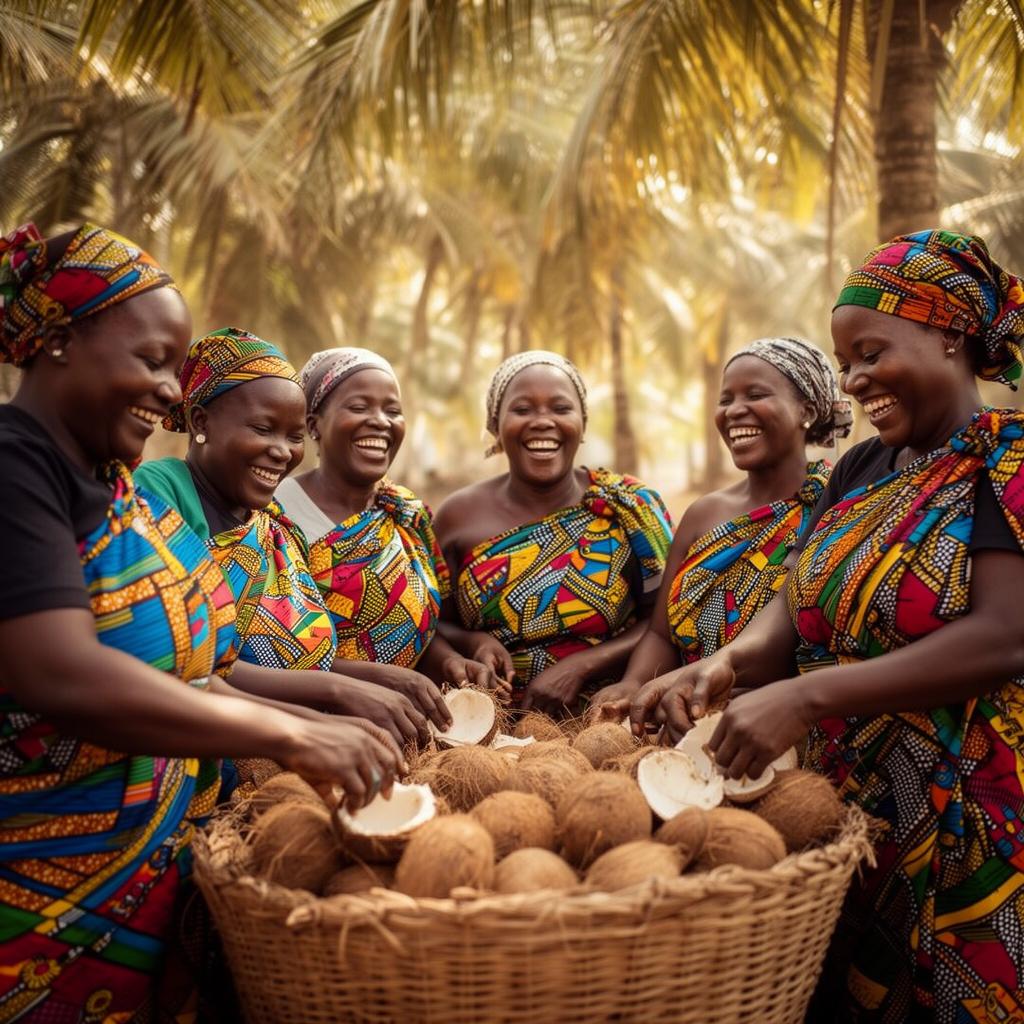
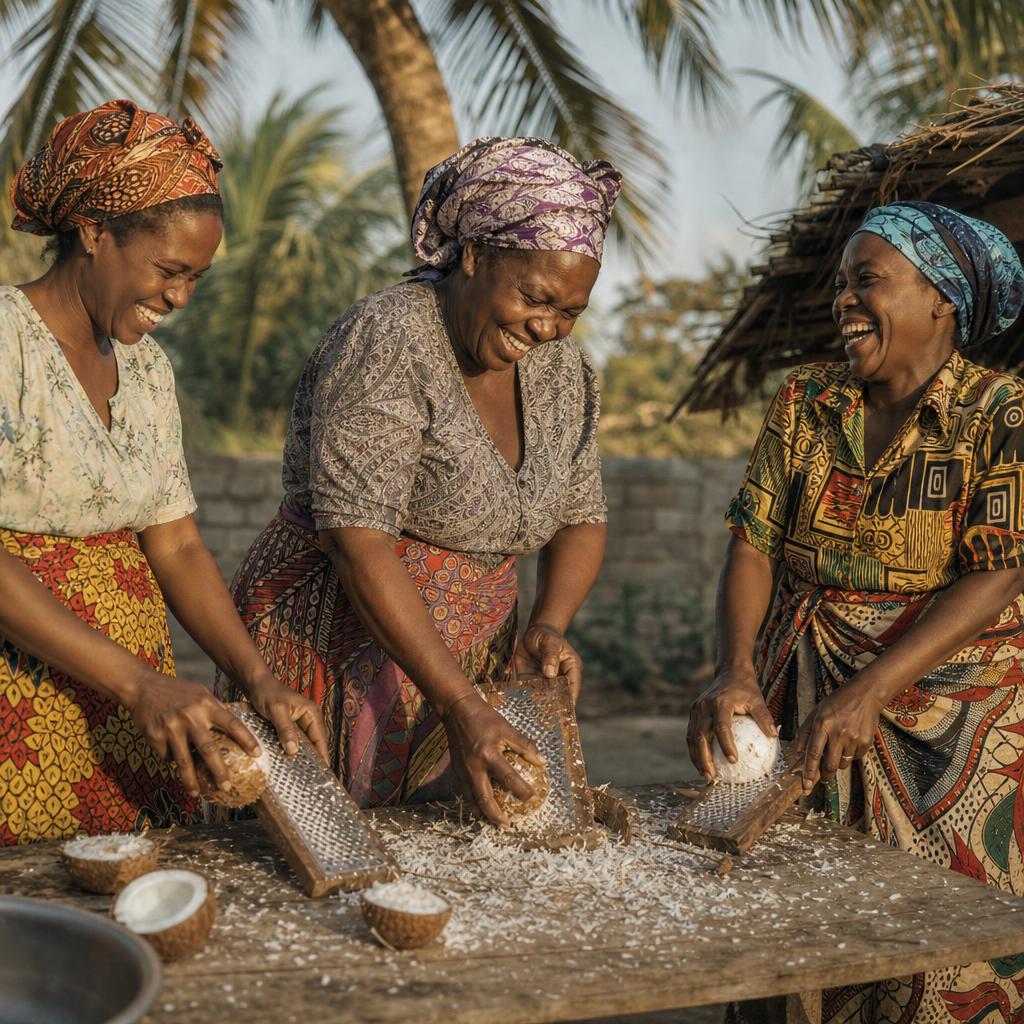
Cracked, sorted and grated by a women’s co-operative of 38 in colourful capulana. The work is paid above the regional living wage and shared by the hour.

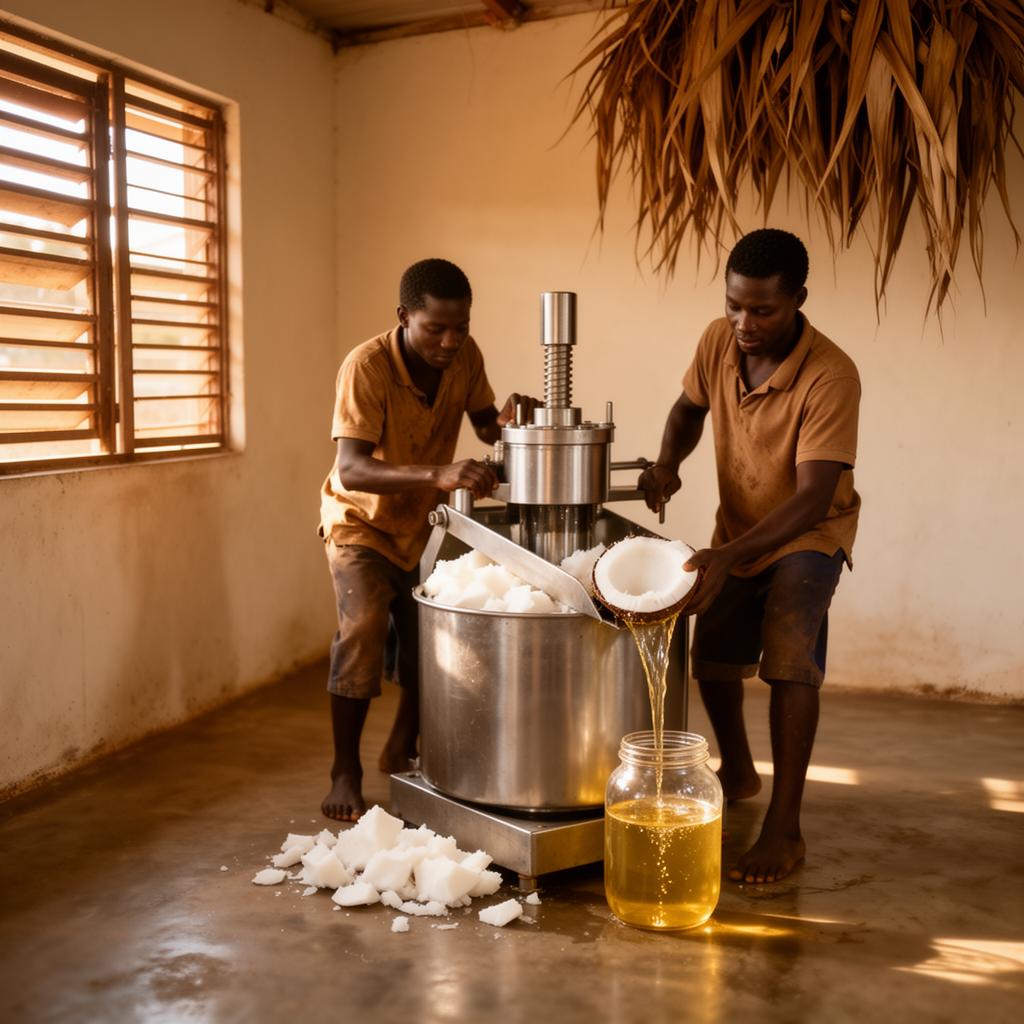
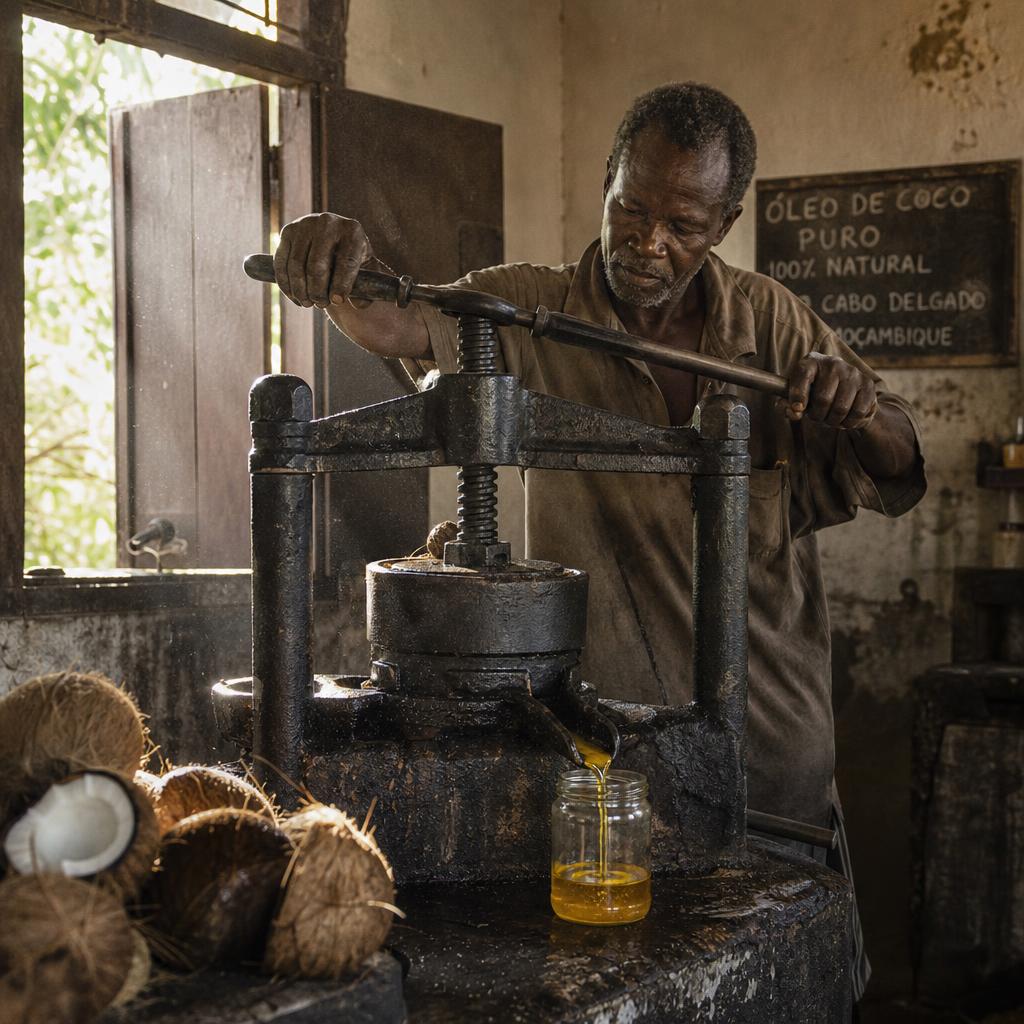
A cast-iron screw press, turned by hand by Tio Mateus. The first oil to fall is the one we keep — bright, sweet, alive. No heat above body-warm, no chemicals, no refining.

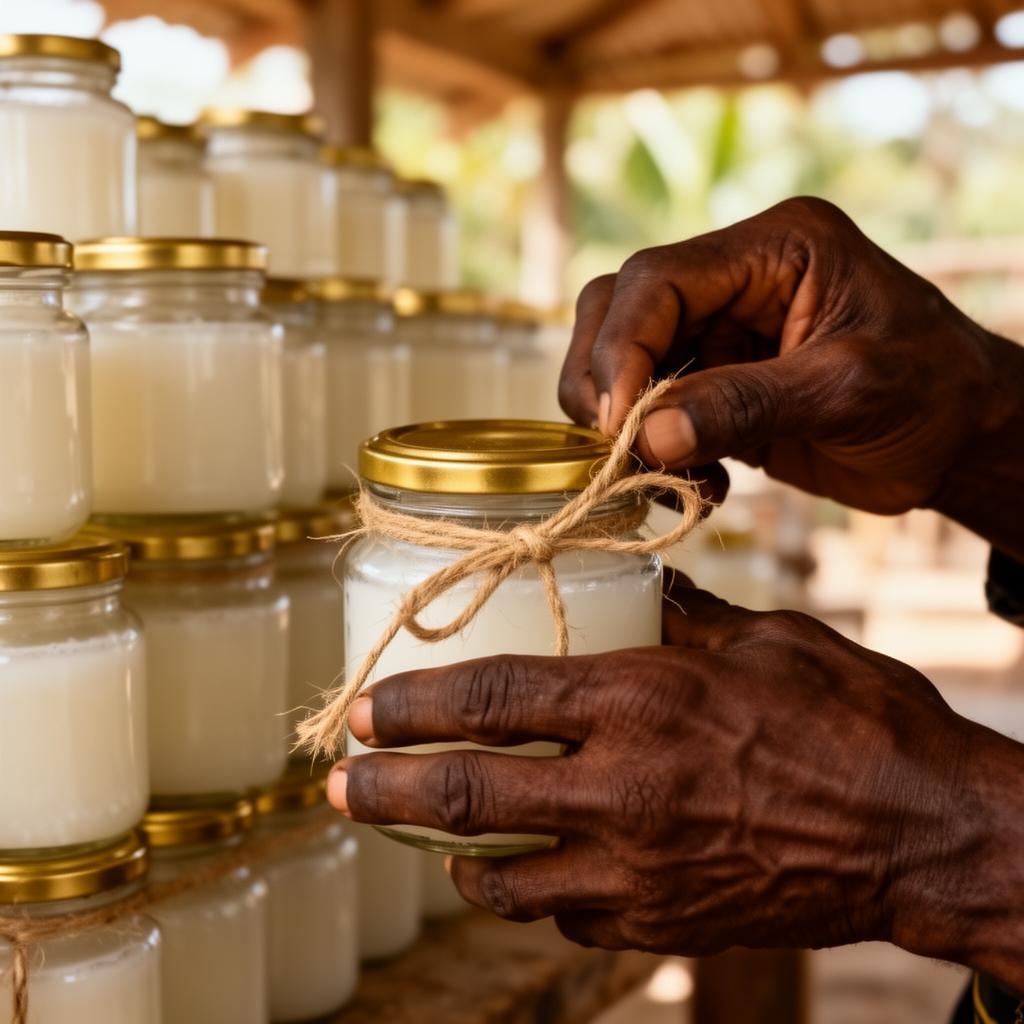
Each jar is filled the day it is pressed, tied with raw jute and stamped by the same hands that pressed it. From tree to jar in under 24 hours.
Tropicco is run as a not-for-profit social enterprise. Every jar funds the people who grew it: fair wages above the regional standard, a free village school for their children, healthcare days twice a year, and a tree-replanting programme along the Cabo Delgado coast.
“Nada sai daqui que não volte para cá.” — Nothing leaves here that does not return.
Coconut oil that earns a place on the bathroom shelf, the dresser and the kitchen counter.
A coin-sized pour, warmed between palms, traced along collarbones and the inside of wrists. Velvet, never greasy.
An overnight veil from root to ends. Wake to the soft gleam of a girl who slept on a verandah by the sea.
Spoon into rice, brush onto warm bread, finish a grilled mango. The flavour of an afternoon in shade.

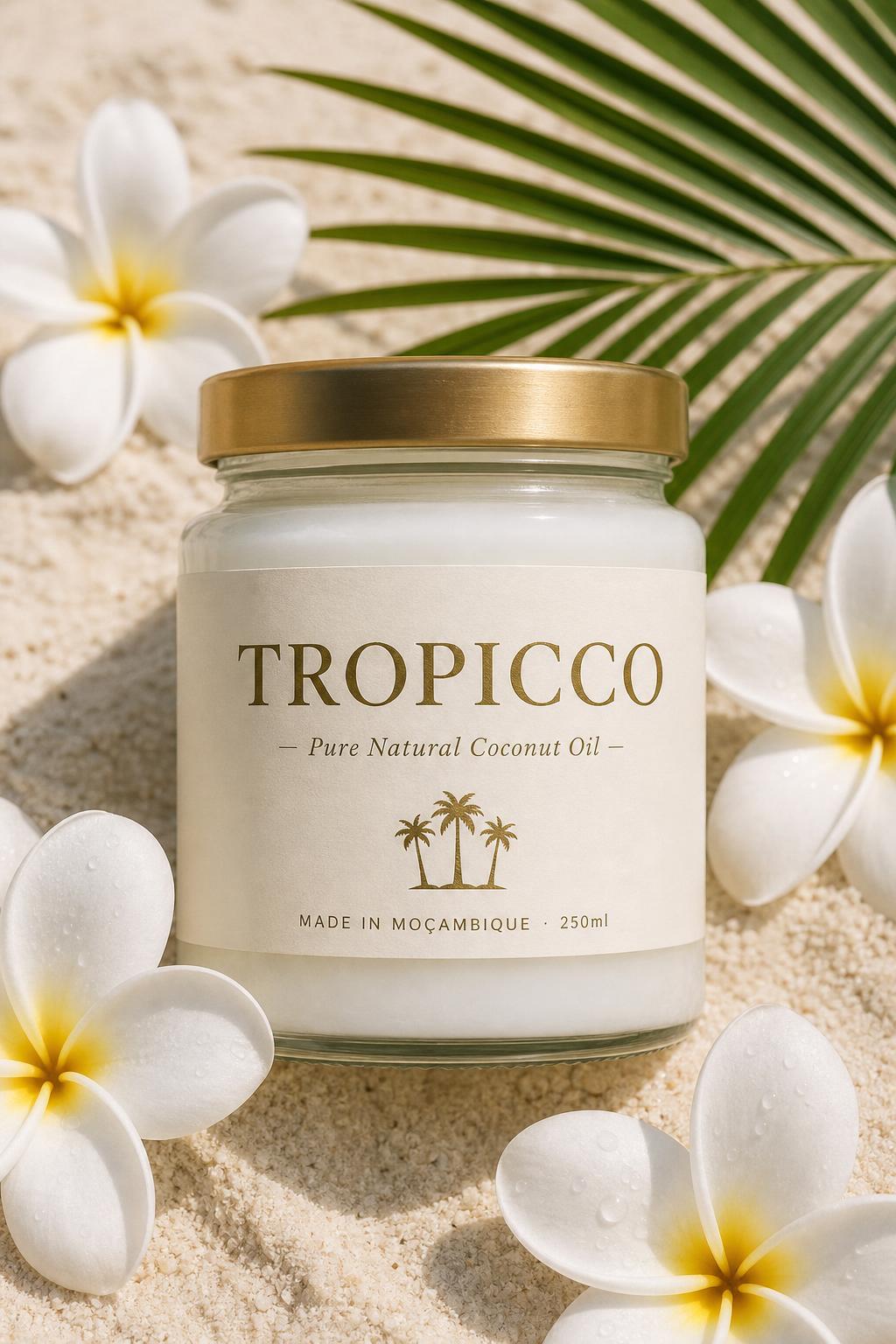
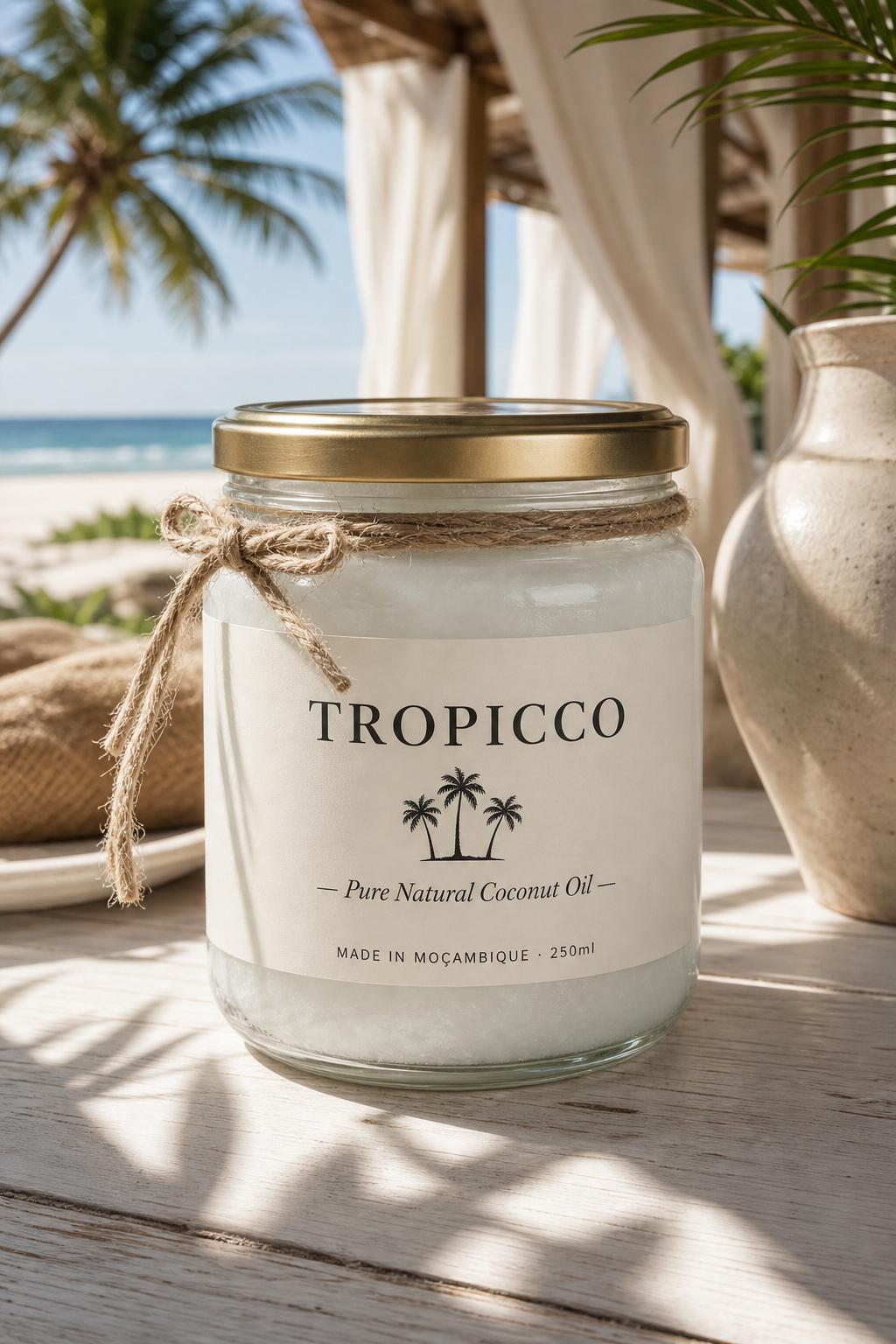
Pure Natural Coconut Oil · 250 ml
Clear flint glass. Brass-coloured lid. A length of raw jute tied by hand. Inside: cold-pressed coconut oil the colour of moonlit sand at noon.
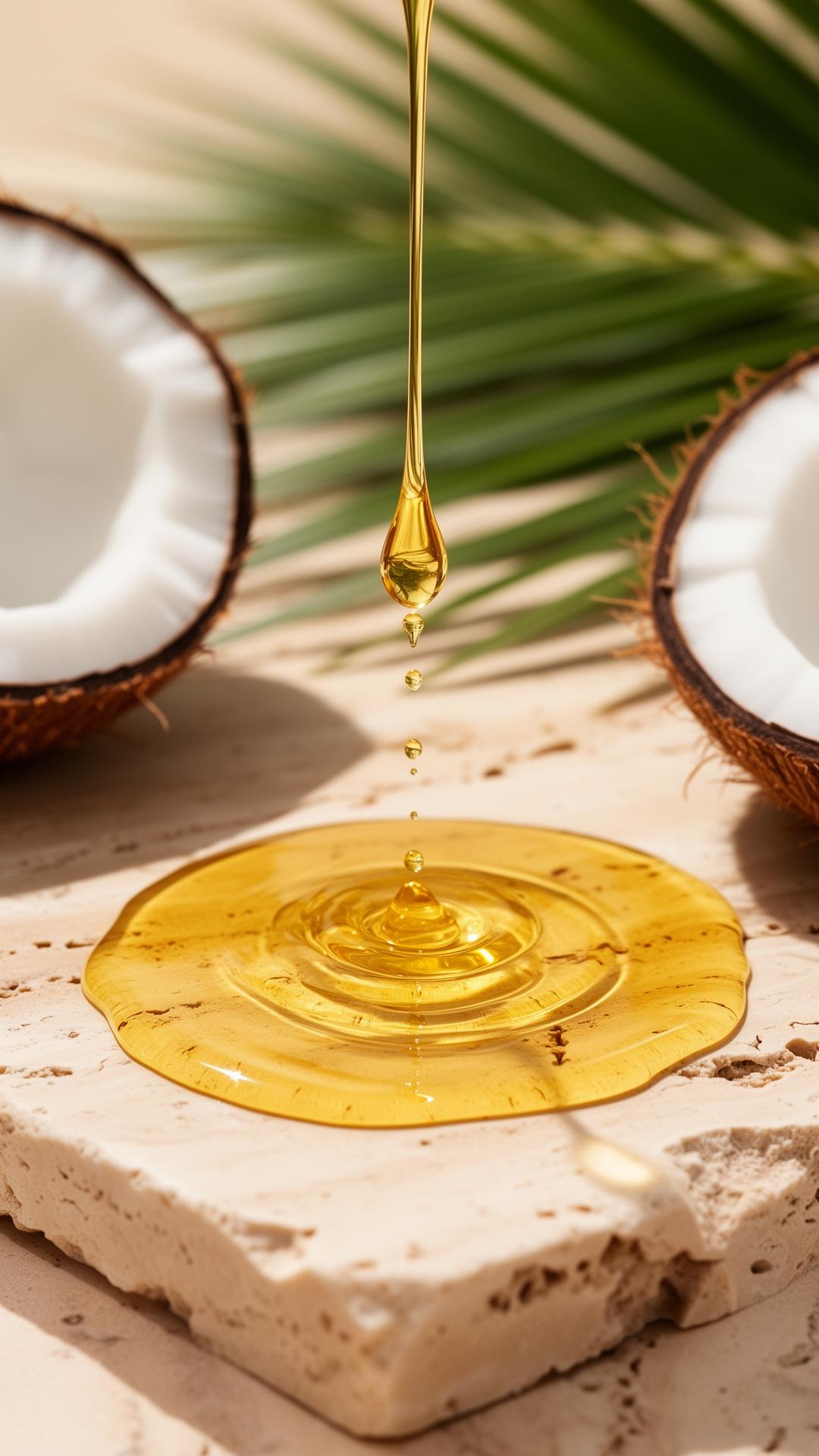
Solid at rest, liquid at the touch of your skin. A fragrance that arrives gently — sweet milk, warm wood, a memory of salt.
“It replaced three things on my shelf.”
I bought it for my hair and ended up using it on my face, my elbows, and in my morning toast. The scent is so gentle — nothing like the supermarket kind.
“Cooks like butter, tastes like the islands.”
A spoon into jasmine rice and it changes the whole pot. You can taste that it has not been refined to death. Worth every rand.
“My braids have never looked like this.”
I leave it overnight from root to tip. Soft, shiny, and a beautiful coconut smell that doesn’t scream. People keep asking what I use.
“Glow without trying.”
Two pumps after the shower and my skin looks like I’ve been on holiday. The little jar feels like a gift each time I open it.
“Bought one. Came back for six.”
Gifted these for Christmas — every single person has texted me about them. The jar alone makes you want to keep it on the counter.
“Feels like a craft, not a commodity.”
You can tell someone’s hands touched this. The story, the label, the weight of the glass — quietly luxurious.
“Safe enough for my baby.”
I use it on my little one after bath time. No reactions, no irritation, and her skin is the softest it has ever been.
“The aroma is unreal.”
Sweet, milky, and just a whisper of woodsmoke. Smells the way a Mozambican kitchen smells in the late afternoon.
“Worth the wait between lots.”
They sell out, and I understand why now. Small-batch is the right word for it — you feel the difference immediately.

“We didn’t want to make another coconut oil. We wanted to bottle the hour after a swim — when the salt has dried on your shoulders, the sun is low, and someone is laying the table for dinner.”


Tropicco is grown, pressed, bottled and labelled within a 70 km radius of where the coconut fell. Nothing is shipped abroad to be finished. Nothing is whitened or deodorised. What you open is what the island offered.
On waking before the heat, walking the line of palms, and the quiet arithmetic of a good harvest.
Read →Why we set out the oil in a small bowl instead of the jar, and what that tiny gesture changes.
Read →The temperature where coconut oil stops being a commodity and starts being a memory.
Read →